






KROMOSHO
Scent of Time: Transcending Memories of a City
By Tanzim Wahab
Writing about someone's work, which has so closely been seen and anticipated in intimate interactions and various stages of its growth, is quite difficult and biased. Let me start with an honest disclaimer before I explain. Wasif is a close friend, and this long-term piece of his is one of my favorites. I don't feel constrained by my prejudices since I attempt to write from my gut rather than treating it as a professional piece. Wasif has consistently struck me as the kind of artist who is always trying new things, and almost re-negotiating with his artistic language, someone who is totally preoccupied with the process. There is no better example of it than this body of work. Over a time of nearly two decades, Wasif’s image-making technique, language, and search within the same piece have continuously evolved. His attempt to edit and re-edit his own work is striking; it's almost as if he's facing himself in the search process.
Kromosho, in the beginning, gazed intently at a location that has a special place in the artist’s heart. One of the most photographed parts of Dhaka is undoubtedly Puran Dhaka, with its twisting communal alleyways and bustling daily life. Since it is so intricate, the true spirit of Puran Dhaka is hard for an outsider to grasp. Traditionally, most stories make the old part of the city bear the burden of its rapid modernization and its lingering nostalgia for its past. Oftentimes, the main feature is the ancient, almost-lost architecture and heritage. In this vein, strong communal culture and ritual abounds in narrow streets, continuing the tales that are reflected in the images. These are all well-known stories but Wasif's experience is more complex than that.
Although Kromosho is not a diaristic work in the conventional sense, it grew out of these real-life events. The photos we see here span a multitude of recorded, generated and often imagined moments, from the past to the future. If Kromosho can be categorised at all, it is deeply a personal work since Wasif constantly alternates between the inside and the outside, both in terms of an imaginary space and real-life experience. Like an artist's autobiography, the work developed with time and grew in its personal vocabulary, even though the artist and his private life aren't seen in the piece. His early exposure to zenith cameras and his handling of varying lens sizes, following portraitist Sofdar bhai's slow moves with sluggish box cameras, smelling the damp darkroom, the aroma of developing solutions, and other recollections of the place, kept knotting his connection to the place.
![]()
Living there once for a while gave him a wealth of life’s experience, although photographing the location wasn't often the core of his activities. Puran Dhaka gradually became a gathering spot for friends, where we would sample foods from all the corners, go on long walks, see Puja and other festivities, and spend the late afternoons at Beauty Boarding, the once-famous hangout spot for poets, writers, and artists. As we met new people, we began planning cultural events with a thousand visitors like photo exhibitions of Chobi Mela, or an evening film screening, and the place continued to be a kind giver, it kept adding memories and more friends. Wandering through the streets, Wasif was often dangerously close to capturing the neighborhood, its energy and deep emotions. I was curious if anyone raised the question of invading their privacy while photographing across the streets. A kind of classic street photography dilemma. Perhaps privacy is foreign in this context, where the place is a mix of uthan (rural courtyard) and moholla (urban colony): a real sense of a shared space for community living and mundane chores. Moreover, the artist gained trust by maintaining enduring relationships with the people he photographed, once residing and now making frequent visits.
![]()
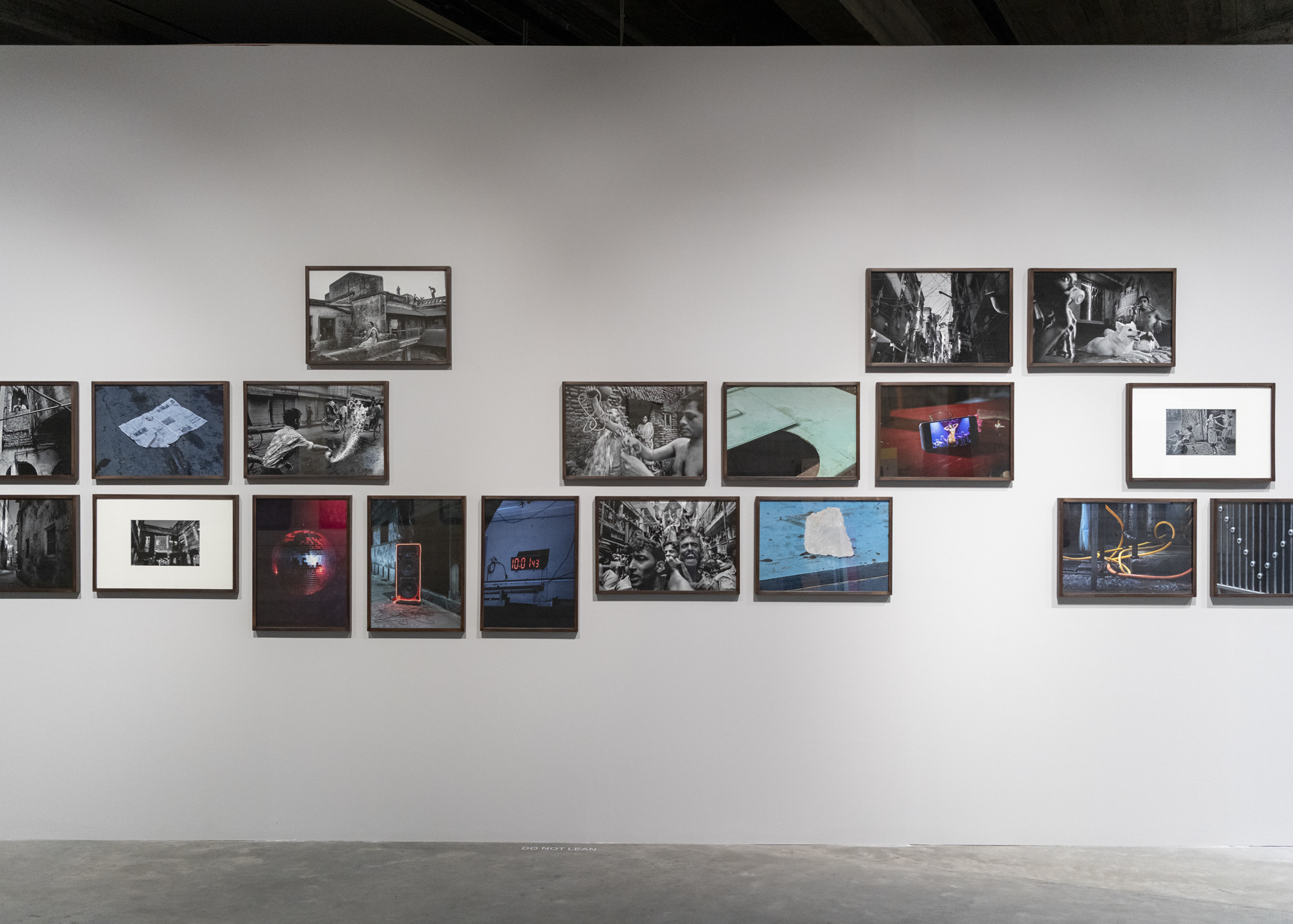
In his early work, Wasif began making close-up, black-and-white photographs of home and neighborhood, keeping several layers and almost eliminating negative spaces. Everything happens in a tiny space as we see it unfolding. Faith, everyday life, and local culture all converge in one spot, where ritual and co-existence are vital. The horizontal frame and rich composition invite a wider view and deeper layering of interconnections in the life-giving amalgam. People across generations seem to have a strong sense of belonging to the place, where they are depicted as being loudly connected, often casual and expressive. Each photograph, like a musical note, evokes the sentimental melody of life with fast moving bodies and intimacies.
Writing about someone's work, which has so closely been seen and anticipated in intimate interactions and various stages of its growth, is quite difficult and biased. Let me start with an honest disclaimer before I explain. Wasif is a close friend, and this long-term piece of his is one of my favorites. I don't feel constrained by my prejudices since I attempt to write from my gut rather than treating it as a professional piece. Wasif has consistently struck me as the kind of artist who is always trying new things, and almost re-negotiating with his artistic language, someone who is totally preoccupied with the process. There is no better example of it than this body of work. Over a time of nearly two decades, Wasif’s image-making technique, language, and search within the same piece have continuously evolved. His attempt to edit and re-edit his own work is striking; it's almost as if he's facing himself in the search process.
Kromosho, in the beginning, gazed intently at a location that has a special place in the artist’s heart. One of the most photographed parts of Dhaka is undoubtedly Puran Dhaka, with its twisting communal alleyways and bustling daily life. Since it is so intricate, the true spirit of Puran Dhaka is hard for an outsider to grasp. Traditionally, most stories make the old part of the city bear the burden of its rapid modernization and its lingering nostalgia for its past. Oftentimes, the main feature is the ancient, almost-lost architecture and heritage. In this vein, strong communal culture and ritual abounds in narrow streets, continuing the tales that are reflected in the images. These are all well-known stories but Wasif's experience is more complex than that.
Although Kromosho is not a diaristic work in the conventional sense, it grew out of these real-life events. The photos we see here span a multitude of recorded, generated and often imagined moments, from the past to the future. If Kromosho can be categorised at all, it is deeply a personal work since Wasif constantly alternates between the inside and the outside, both in terms of an imaginary space and real-life experience. Like an artist's autobiography, the work developed with time and grew in its personal vocabulary, even though the artist and his private life aren't seen in the piece. His early exposure to zenith cameras and his handling of varying lens sizes, following portraitist Sofdar bhai's slow moves with sluggish box cameras, smelling the damp darkroom, the aroma of developing solutions, and other recollections of the place, kept knotting his connection to the place.

Living there once for a while gave him a wealth of life’s experience, although photographing the location wasn't often the core of his activities. Puran Dhaka gradually became a gathering spot for friends, where we would sample foods from all the corners, go on long walks, see Puja and other festivities, and spend the late afternoons at Beauty Boarding, the once-famous hangout spot for poets, writers, and artists. As we met new people, we began planning cultural events with a thousand visitors like photo exhibitions of Chobi Mela, or an evening film screening, and the place continued to be a kind giver, it kept adding memories and more friends. Wandering through the streets, Wasif was often dangerously close to capturing the neighborhood, its energy and deep emotions. I was curious if anyone raised the question of invading their privacy while photographing across the streets. A kind of classic street photography dilemma. Perhaps privacy is foreign in this context, where the place is a mix of uthan (rural courtyard) and moholla (urban colony): a real sense of a shared space for community living and mundane chores. Moreover, the artist gained trust by maintaining enduring relationships with the people he photographed, once residing and now making frequent visits.

In his early work, Wasif began making close-up, black-and-white photographs of home and neighborhood, keeping several layers and almost eliminating negative spaces. Everything happens in a tiny space as we see it unfolding. Faith, everyday life, and local culture all converge in one spot, where ritual and co-existence are vital. The horizontal frame and rich composition invite a wider view and deeper layering of interconnections in the life-giving amalgam. People across generations seem to have a strong sense of belonging to the place, where they are depicted as being loudly connected, often casual and expressive. Each photograph, like a musical note, evokes the sentimental melody of life with fast moving bodies and intimacies.

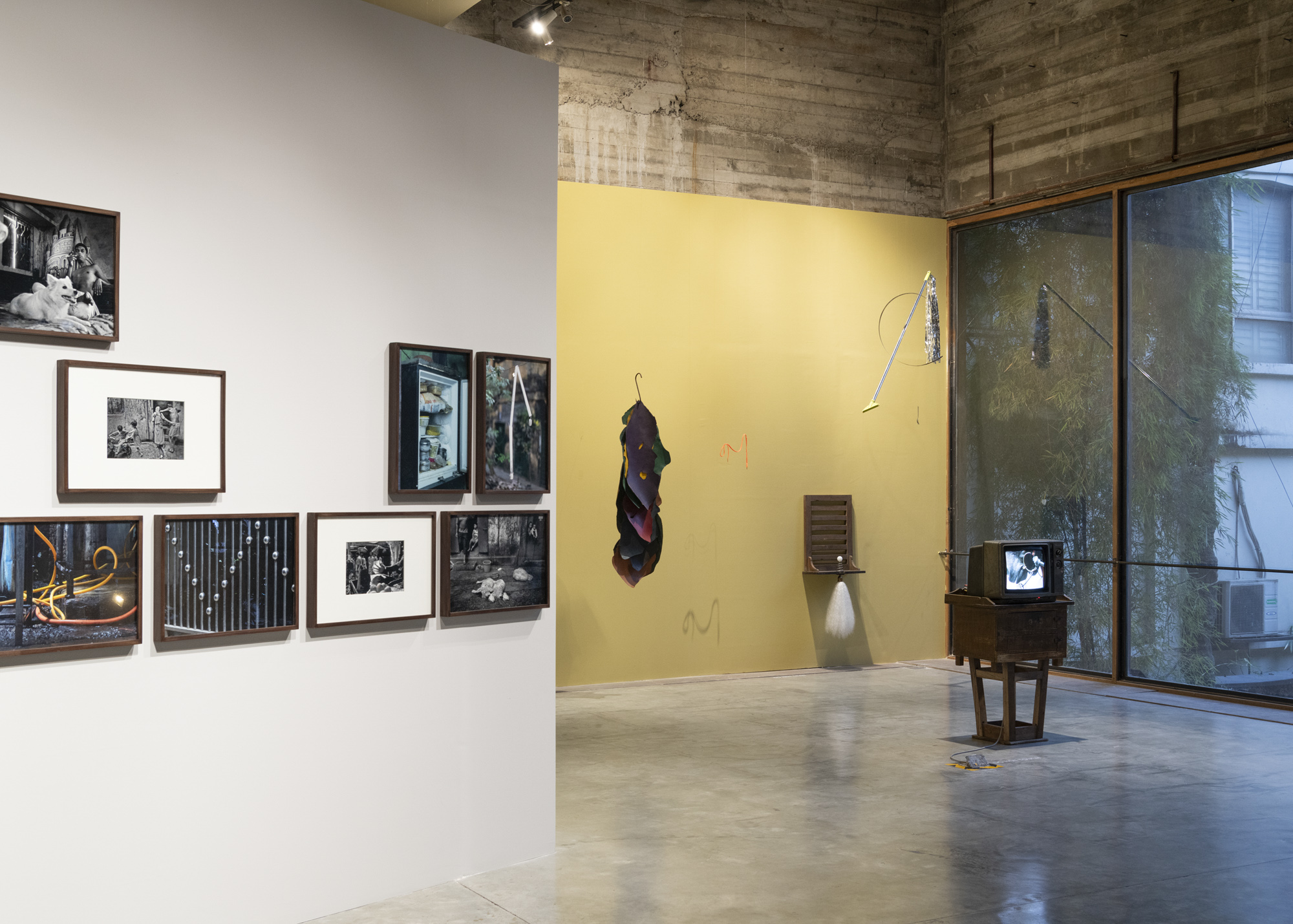
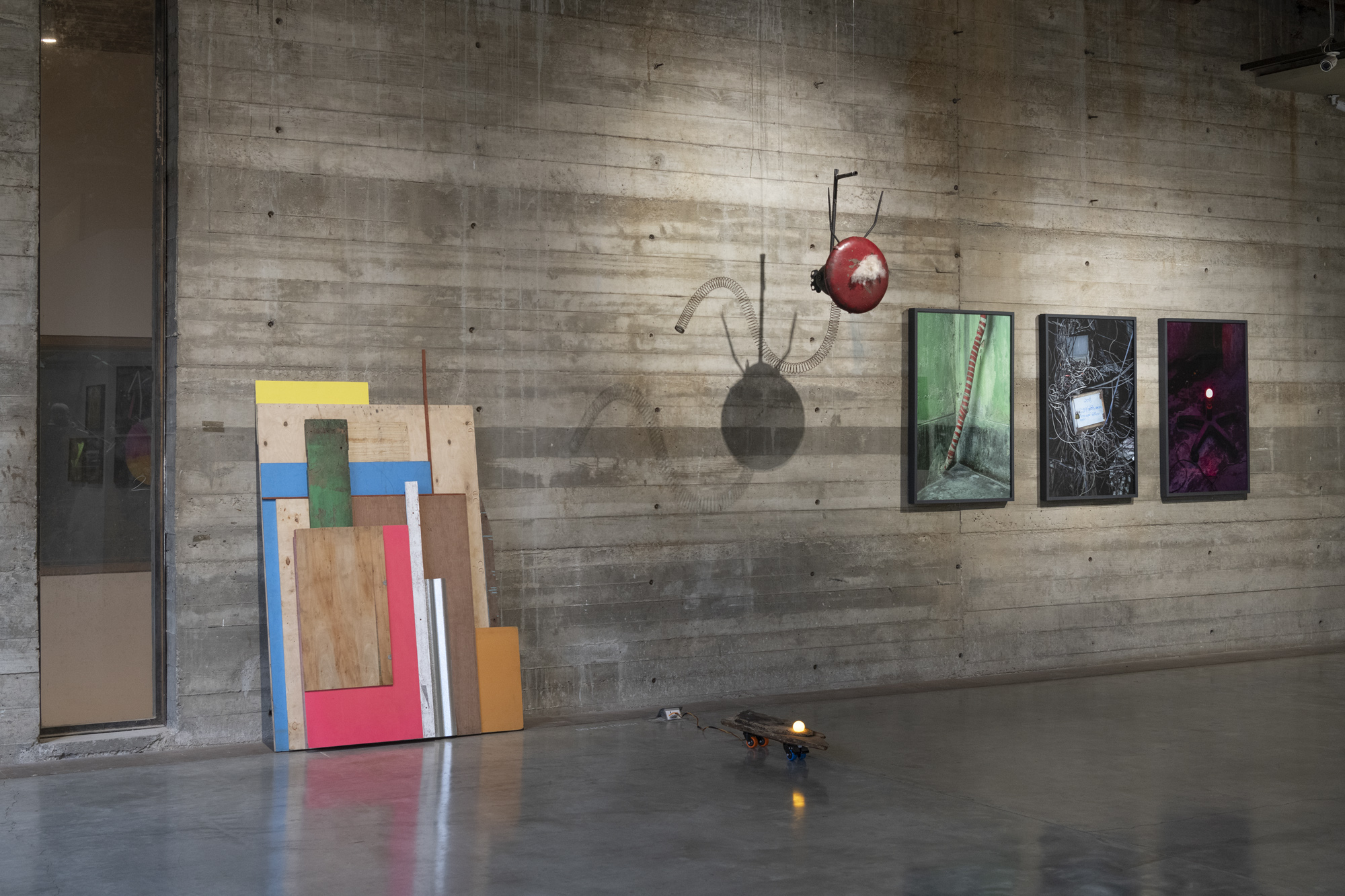
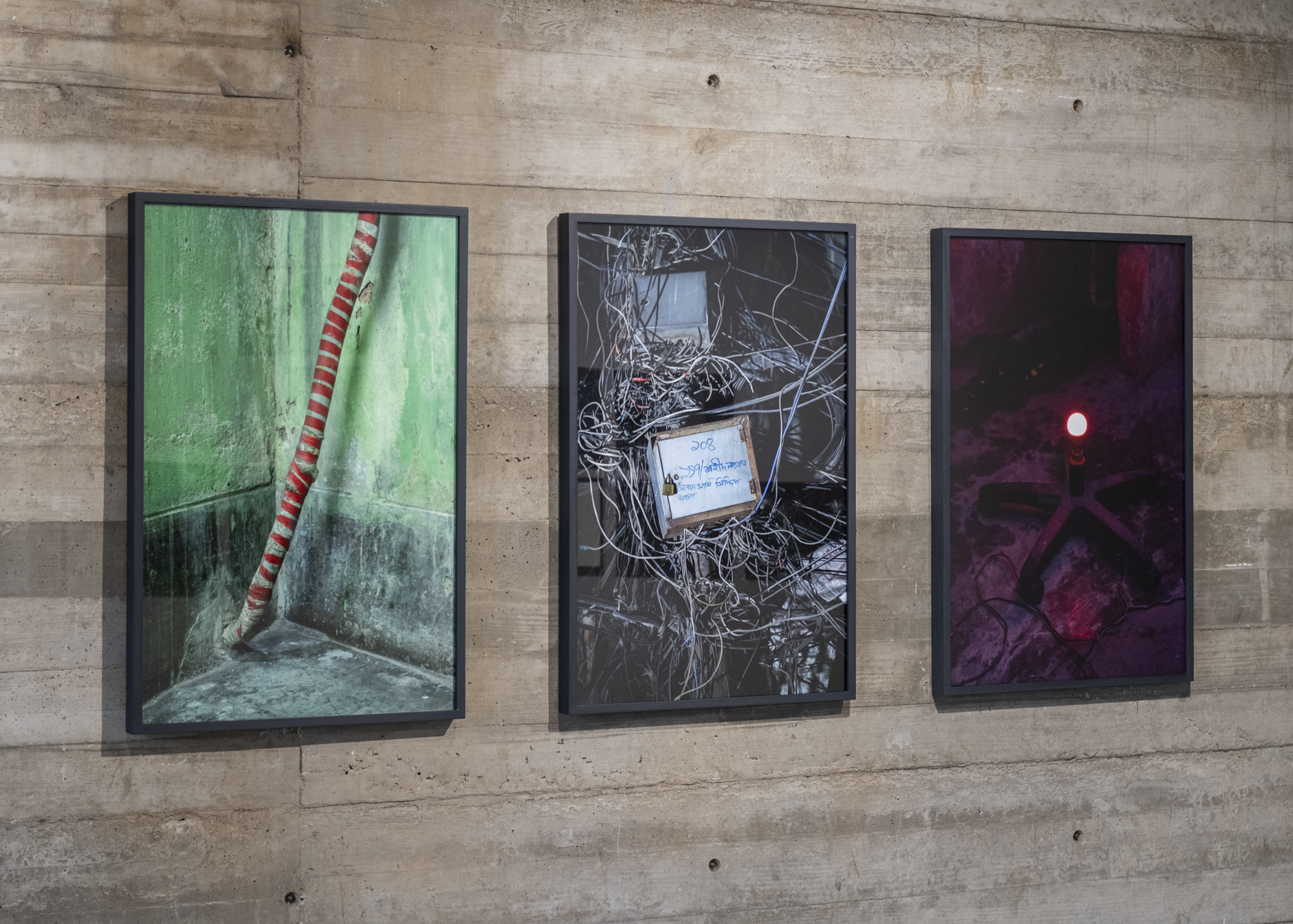
The work has altered over time. As time passed, both the place and Wasif’s experience changed, which in turn influenced the shift from close-ups to more vertical or square compositions, and strong presence of everyday objects, quiet and firmly distant. The forward momentum and forward motion both have halted. Life, in all its complexity and nuances, opens forth in a lyrical abstraction in recent photographs and sculptures. Here, things, not people, are taking center stage; they transmit energy and memories just as well, but at a different frequency. Things come and go, yet some things can elude detection and remain in place or a mental place, forever.
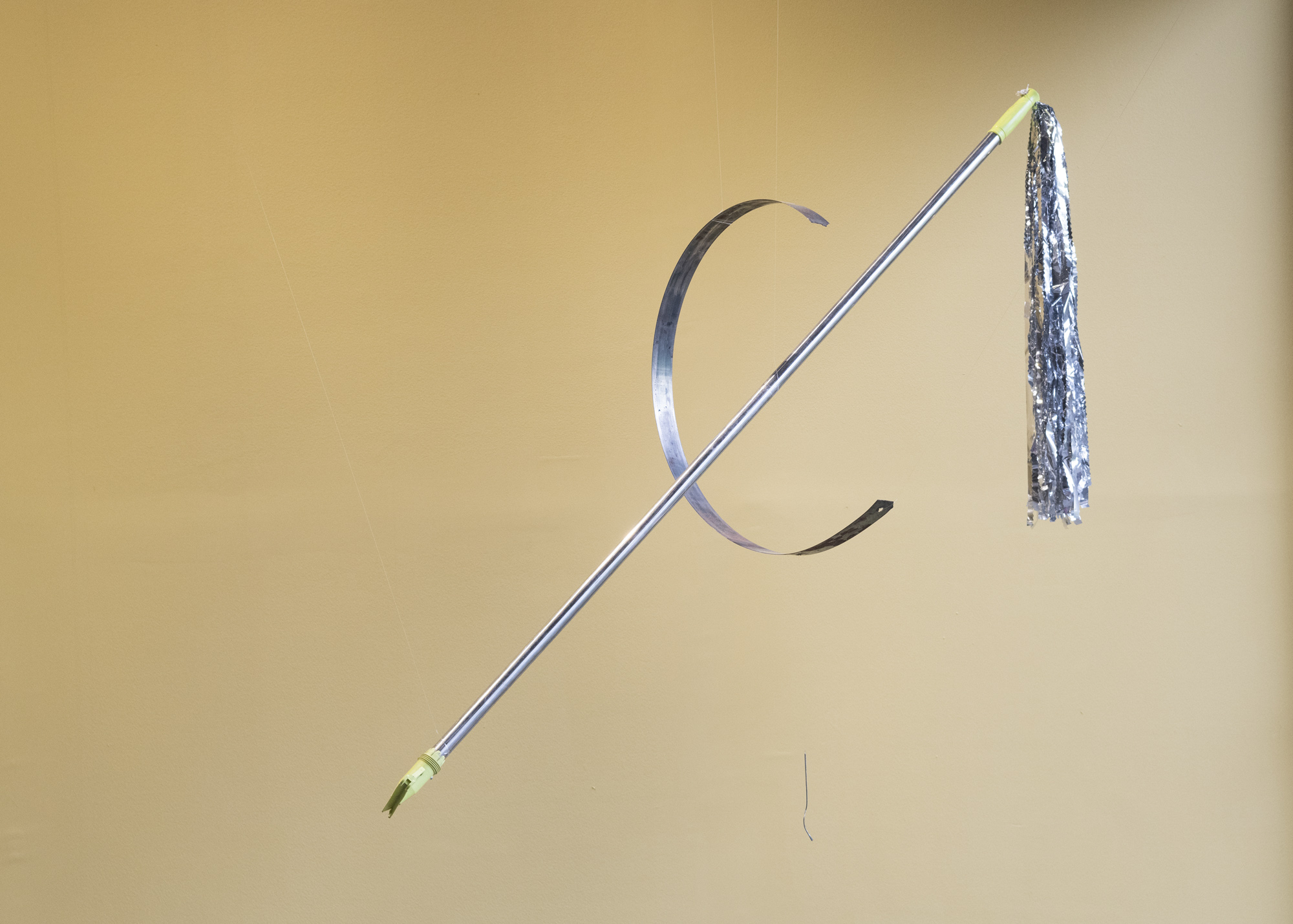
The fragmented objects here are both disciplined and wired across, and the empty space is filled with bold and soft materials—all have varied functions, some symbolizing the rapid changes brought about by the young generation and global influence. Bold, vertical components that yet deviate from the straight line transforms into curving threads of nuanced harmony. The artist was inspired to create the piece by music, specifically raga, a type of subcontinental classical music in which various musical modes convey unique emotions through progressions, with certain notes given greater weight than others. While making sculptures with found objects, the artist maintains an accessible passageway so that we can casually perceive something extraordinary between the ordinary and the muse, the old and the new. As it navigates between harmony and chaos, the complicated montage of ordered and disordered objects acts like it's slowly going from mono to stereo sound.
With a film, the piece moves from its physical location to our mental space, from a winding path to the wide pages of literature by Akhtaruzzaman Elias or Shahidul Zahir. By bringing attention to their intricacies, these poetic elements reveal the place’s sombre tales and myths, which can only be found in its literary culture. When we observe in the film that the protagonist, Osman, is completely engrossed in scents, it gives the piece a theatrical transition. Osman transitions from black and white celluloids to colour photographs. Poetic components are enhanced by his migratory journey from a distant location to this utterly enchanted place. To fully grasp the aroma of ancient Dhaka, the story flowingly interweaves the imaginary with the real world.

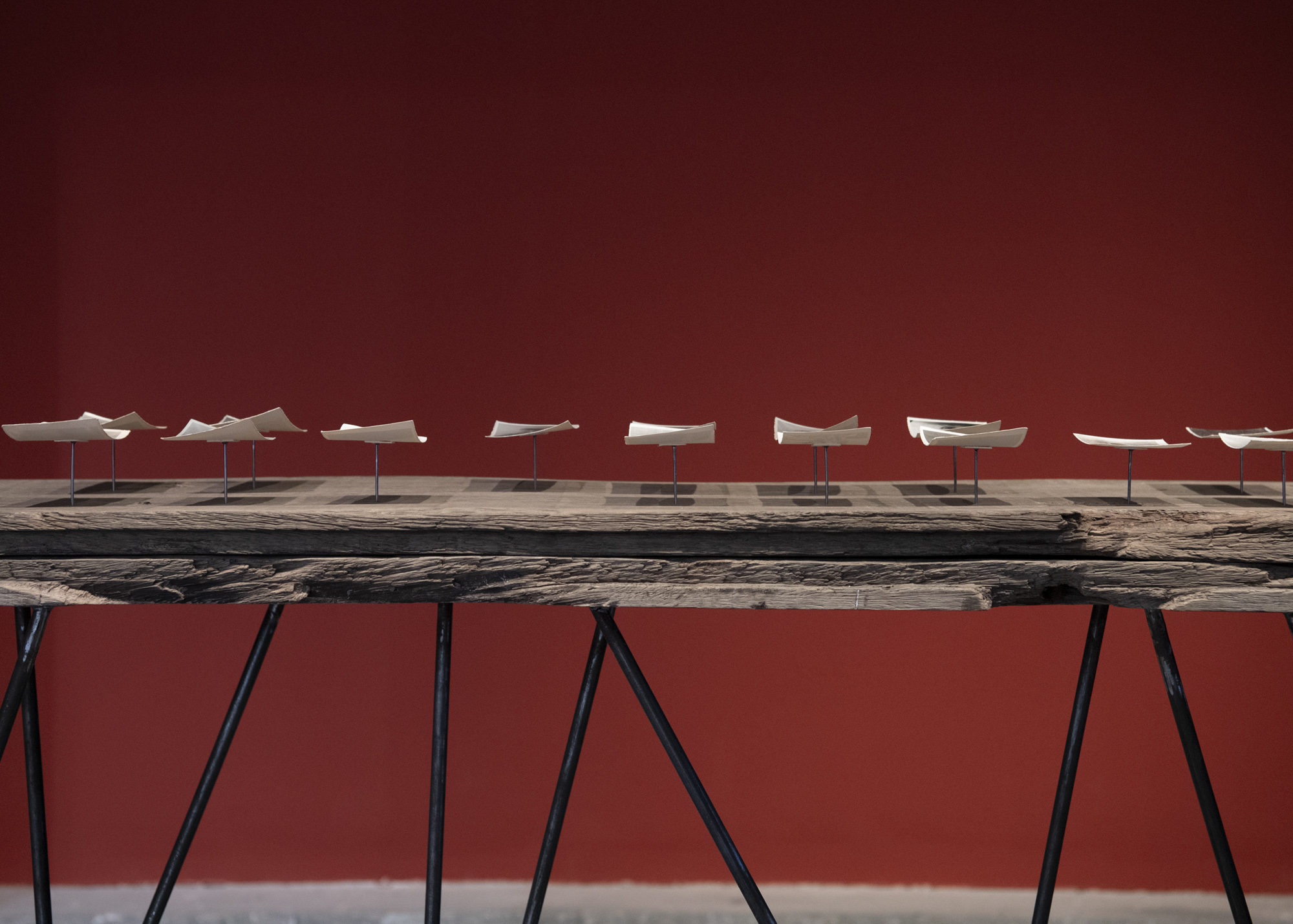
Adding to our imagination, the artist gives substance to his observations of the old town by tracing and rearranging from its own reality. Puran Dhaka’s another reality is to consider it as a composite of all the ebb and flow of a complex transformation. Rapid population growth, gentrification, rigid division of labour, and an expanding marketplace make for a wild shift in people’s lives. However, Wasif returns to the space's fundamental spirit, its very essence and spirit: to exist, to survive the trauma. Since the piece evolves in tandem with time, there is no set plot for how it will conclude. The work breathes in its own space-time. Once the artist traces and moves naturally ordered or disordered moments and objects, images evoke our recollections of a location like a map and what we see in the photographs take on a physical shape. Moving from the past and the present to the imagined future, there is a multiplicity of captured and created times in this process, and they constantly transcend all three in Kromosho.
18 April - 31 May, 2025
Bengal Shilpalay, Dhaka
Curatorial Advisor - Tanzim Wahab
Architectural Design – Dehsar Works
Project Assitance - Iftekhar hassan
Samanno(2022-ongoing), commissioned by Durjoy Bangladesh Foundation